
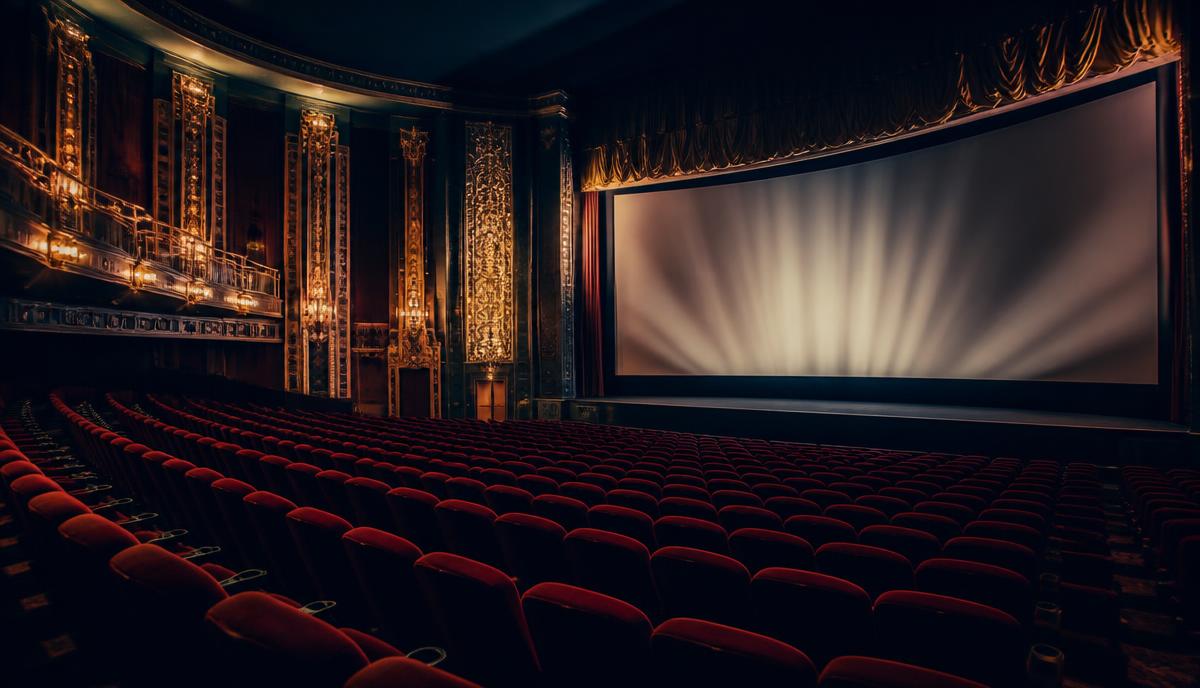
Movie theaters have been around for over a century, serving as the cultural heartbeat of visual storytelling. However, the modern box office finds itself at a massive crossroads. The meteoric rise of streaming platforms, shifting consumer habits, and evolving windowing strategies have led to a persistent question: Are movie theaters dying, or are they just evolving?
The answer is a bit complicated. The industry is not facing an outright extinction event, but rather a permanent restructuring.
The Reality of the Decline
There is no denying that traditional theaters have taken heavy hits over the past several years. When ticket sales plummeted by nearly 40% in 2020 during global shutdowns, it marked the worst single year drop since modern tracking began in the early 1990s.
While the initial post-pandemic years saw sharp rebounds driven by pent-up demand and massive event cinema releases, attendance has struggled to fully return to pre-2020 peaks.
| The Attrition Drivers | Impact |
|---|---|
| Shortened Release Windows | ~45 days (down from 90+ days) |
| Subscription Value Proposition | On-demand access vs $15+ ticket |
| Home Theater Tech | 4K OLEDs, Atmos sound bars |
Streaming giants like Netflix, Max, and Prime Video continue to hoard massive viewer attention. Domestic surveys consistently show that nearly half of consumers prefer watching films at home when convenience and cost are the primary factors. When a movie is guaranteed to drop on a digital service just a month or two after hitting the big screen, the threshold for what warrants a trip to the local multiplex becomes significantly higher.
Where Theaters Are Winning: Experience Over Convenience
Despite these headwinds, rumors of the theater's total demise are greatly exaggerated. The cinemas that are thriving today are those that recognize a fundamental truth: they are no longer in the business of just showing movies, they are in the business of delivering events.
| Modern Cinema Ecosystem | Examples |
|---|---|
| Premium Formats | IMAX, Dolby Cinema, high-margin visuals |
| Experiential Hubs | Dine-in luxury, drive-in nostalgia |
1. Premium Large Formats and Blockbuster Fandom
When a major tentpole, sci-fi epic, or franchise spectacle drops, audiences still flock to IMAX and Dolby Cinema. Spectacle films demand immersive scale that even a high-end 75-inch living room TV cannot match. Movies are increasingly dividing into two categories: wait for streaming, or must see on the biggest screen possible.
2. The Rise of Luxury and Dine-In Venues
Multipurpose dine-in theaters have seen substantial growth. By combining full food and beverage service, craft cocktails, and plush reclining seats, these venues turn a movie into a complete evening out. They solve the friction of choosing between dinner or a show by providing both, driving up concession margins and attracting an older, higher spending demographic.
3. Retro Nostalgia and Alternative Models
Drive-in movie theaters and independent micro-cinemas have carved out profitable niches. By leaning into retro aesthetic, community outdoor events, double features, and affordable family carload pricing, drive-ins offer an outdoor social experience that streaming simply cannot replicate.
The Game Changer: The Sphere in Las Vegas
While traditional auditoriums adapt, venues like The Sphere in Las Vegas represent a massive leap forward in cinematic technology, completely redefining what it means to go to a movie. By shifting the dynamic from watching a flat frame to stepping inside a narrative, the venue pushes cinema past its traditional visual limits into a fully multi-sensory attraction.
| The Sphere Spec Sheet | Detail |
|---|---|
| Internal Canvas | 160,000 sq ft, 16K x 16K wrap-around LED |
| Sound System | 167,000 speakers with Holoplot beamforming |
| Custom Filmmaking | Shot with the custom 18K Big Sky camera |
| 4D Elements | Infrasound haptic seats, wind, and scents |
When director Darren Aronofsky created Postcard from Earth, which was the first custom cinematic feature built specifically for the venue, he had to invent an entirely new visual grammar. Filmed using a specialized 18K Big Sky camera system capturing 60 frames per second, the visual canvas wraps 270 degrees around the viewer.
Instead of looking at a screen on a wall, the image curves completely over and around your field of vision, filling your peripheral sight entirely and tricking your brain into feeling true scale.
How the Sphere Changes the Viewer Experience
 From Passive Observation to Environmental Presence: In a traditional cinema, framing guides your focal point. A close-up forces you to look at a face, while a wide shot shows a landscape. Inside the Sphere, the viewer chooses where to look. When a giant camera shot pans across a mountain range or plunges into an ocean trench, the scale is 1:1 with reality. The venue's infrasound haptic seats vibrate to match rocket launches or thunderous stampedes, while environmental nozzles blast subtle breezes and scents through the auditorium.
- Spatial Sound Precision: Instead of blasting audio uniformly through side-wall speakers, the Holoplot audio system uses thousands of tiny driver arrays that send targeted beams of sound to specific seats. A whisper can sound like it is coming from two inches behind your right ear, or a rustling branch can track smoothly across the dome above you without distorting the dialogue in the center of the room.
- Destination Event vs. Disposable Media: Because a movie built for the Sphere requires tens of gigabytes of data per second to stream to a 16K dome, it cannot be duplicated on an iPad, a TV, or a standard theater projector. It re-establishes cinema as an exclusive physical destination. People are not just paying to see a story, they are paying for a visceral sensory ride that is physically impossible to recreate at home.
| Traditional Cinema vs Sphere | Traditional Frame | Spherical Immersion |
|---|---|---|
| Field of View | Fixed 2D/3D rectangular canvas | 270 degree field of view |
| Audience Role | Audience looks at the story | Audience is inside the environment |
| Audio | Uniform room surround | Directional audio beamforming |
The Path Forward for Cinema
Movie theaters are not going to disappear, but the era of relying solely on generic multiplex screens and standard popcorn sales to stay afloat is over. To thrive in a digital-first ecosystem, the theatrical industry must double down on three core strategies:
- Embrace Experiential Value: Standard auditoriums will continue to be replaced or upgraded into luxury, high-tech, or full-service dining spaces.
- Capitalize on Cultural Events: Marketing must treat major releases as can't-miss cultural moments rather than just another title on a marquee.
- Flexible Windowing and Event Programming: Beyond Hollywood blockbusters, theaters are finding success hosting live concert screenings, esports tournaments, anime premieres, and retro anniversary showings.
Ultimately, streaming offers convenience, but theaters offer community and immersion. As long as exhibitors prioritize unique, high-value experiences like premium dining, drive-in nostalgia, and mind-bending dome technology like the Sphere, the big screen will retain its place as an irreplaceable entertainment pillar.
Comments
Loading...
Want to chat more? Join the conversation in our Discord