
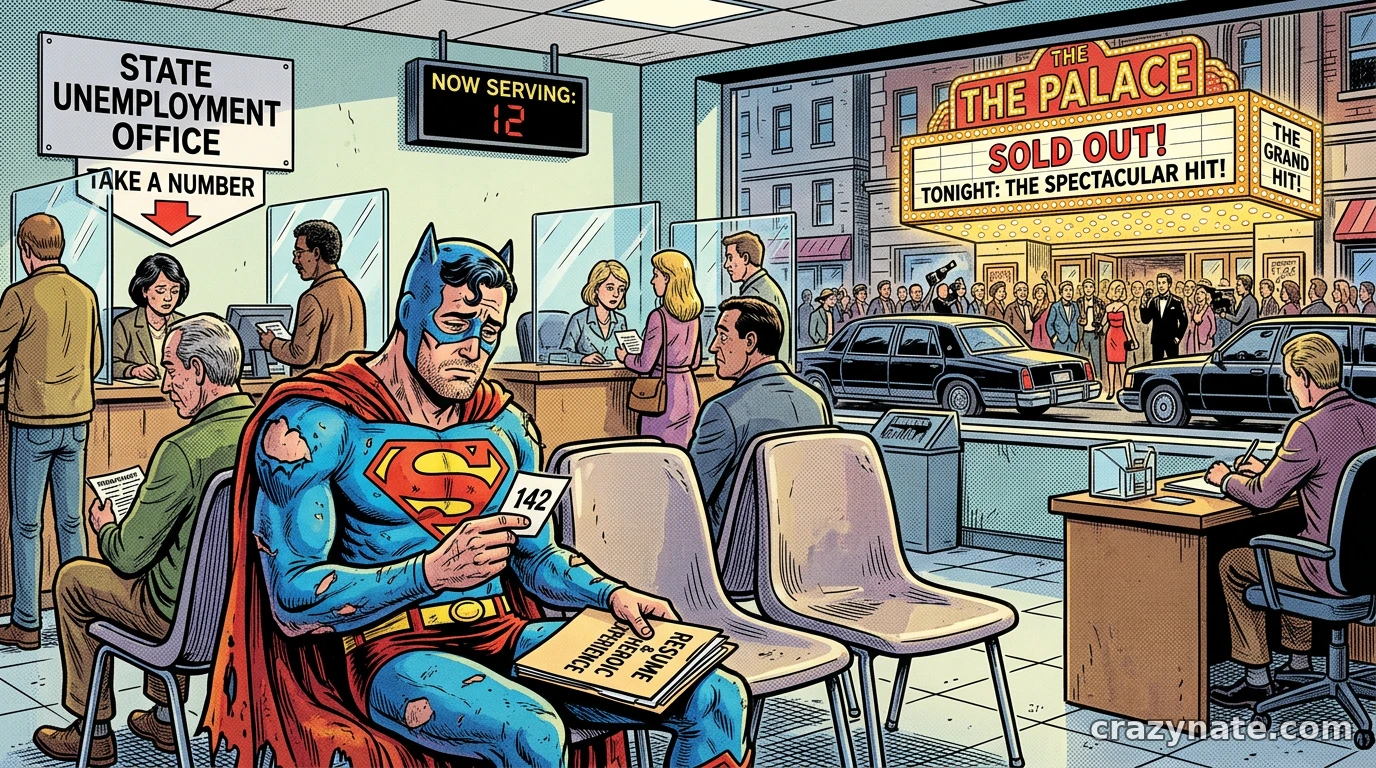
Think about that question for a second. Not too long ago, the biggest superhero movies on the planet could coast on name recognition alone, packing out standard, run-of-the-mill theater auditoriums from coast to coast. Today, even a massive franchise juggernaut like Spider-Man faces a completely different battle for your attention. If audiences are going to pay top dollar to leave their couches, they aren't showing up for a standard projection anymore. They want an event that shakes the floor, fills their entire field of vision, and justifies the trip out the front door.
The Living Room Revolution
The biggest threat to the traditional movie theater isn't another studio. It's the electronics aisle at your local big-box store.
Over the past few years, the cost of massive, cinema-grade home entertainment has plummeted. You no longer need a six-figure budget to build a dedicated screening room. Today, crystal-clear 75-inch, 85-inch, and even 98-inch 4K OLED and Mini-LED televisions are priced within reach of everyday households. Pair one of those wall-dominating screens with a surprisingly affordable wireless Dolby Atmos surround sound system, and suddenly your living room rivals the local multiplex.
When you can pause the movie whenever you want, skip the $15 popcorn, and experience booming spatial audio from your own recliner, a standard movie theater screen starts to feel redundant. For modern moviegoers, the bar has permanently shifted. If you are going to surrender your evening and pay premium ticket prices, you expect a truly larger-than-life experience that cannot be replicated at home.
The Format Wars: IMAX, 70mm, and Beyond
This exact shift is driving what Hollywood insiders call the format wars. When major blockbusters hit theaters now, standard screens frequently sit half-empty while IMAX, Dolby Cinema, and authentic 70mm film screenings sell out weeks in advance.
Comments
Loading...
Want to chat more? Join the conversation in our Discord